How Google is working to help you find food and local businesses
At its Search On event today, Google unveiled several new ways to help people more easily find what they're looking for. Some things can be trickier to locate than most, like a particular style of clothing or a certain fragrance. But when it comes to food that makes your mouth and eyes water, Google thinks it can help. Engadget spoke with Yul Kwon, vice president and general manager of "Local," to learn how the company believes it can bring people to the dishes they're craving.
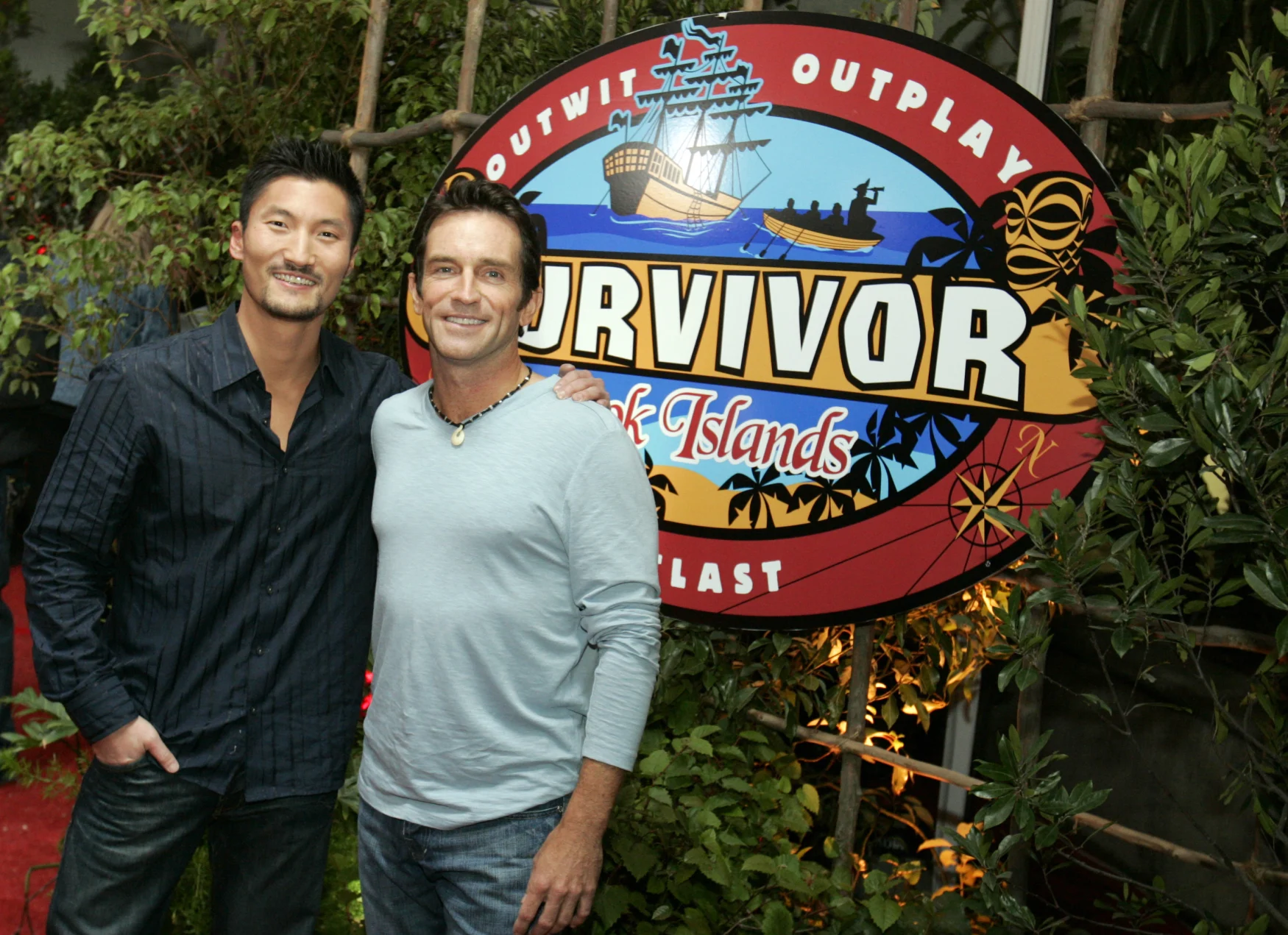
Kwon's lived many lives. You might remember him as the winner of Survivor: Cook Islands, but he's also been a management consultant, a law practitioner and the owner of several Red Mango franchise locations in California. "I lost about 20 pounds during the show and when I came back, I was so hungry," he said. "I basically just sat there and ate everything and anything I could get my hands on."
His ravenous spiral led to a "40-pound weight swing," which drove Kwon to find healthier alternatives to junk food and dessert. On a trip to Los Angeles, Kwon discovered frozen yogurt and was hooked. But the dearth of high quality frozen yogurt stores in the Bay Area at the time meant it was hard for him to find the tasty treat at home. Inspired, and driven by the desire to make an "unlimited supply of frozen yogurt for me to eat myself," Kwon opened stores in downtown Palo Alto, San Carlos and San Jose.
Over time, competition in the froyo business grew intense, as more and more stores opened to cater to growing demand. "At some point everyone and their grandma was opening a frozen yogurt store," Kwon said. "A lot of the stores that opened were lower quality and lower cost and so they were not as healthy."
Kwon said that amid this spike, it not only became became tough to differentiate his business from the competition, but the tools to reach and engage with customers just weren't available. "It was harder to attract new customers to get the word out, and we didn't really have great tools to drive word of mouth or use technology to drive awareness."
Eventually, the financial crisis of 2008 became the final straw and Kwon had to close his businesses.
This is a story that's all too familiar. Small, local businesses lacking the tools to reach larger audiences eventually have to cave to competition and shutter. Though services like GrubHub and DoorDash have made it easier for people to discover restaurants to order food from, they often charge high fees and offer businesses little control over how they're presented.
These days, companies turn to social media to reach would-be customers, and making an attractive profile can determine how successful you are. Skills that have little to do with running a restaurant, like photography and caption-writing, are now key to bringing in money. Though it's not technically social media, Google Maps and Search results also play crucial parts in whether a business thrives or fails. If a restaurant's Maps listing has a rating that's lower than four stars, or if it doesn't have a menu available for perusal, a potential diner can quickly be turned off.
Updated digital menus and vibe checks

One of these potential roadblocks is fairly easy to solve. Not only does Google already provide a digital menu on most listings, it also groups user-submitted pictures of physical menus for easier reference. The company also announced today that it's expanding its coverage of digital menus, "making them more visually rich and reliable.
"We combine menu information provided by people and merchants, and found on restaurant websites that use open standards for data sharing," Sophia Lin, the company's general manager of Food, wrote in a blog post. Google also uses image and language understanding technologies like its Multitask Unified Model to scrape available data and produce these menus, which will also showcase most popular dishes and call out different dietary options (starting with just vegetarian and vegan).
Just like Neighborhood Vibe that Google just announced for Maps, a new feature is also coming to Search to help capture and relay to users what makes a restaurant stand out. "Star ratings are helpful, but they don't tell you everything about a restaurant," Lin wrote. In the coming months, listings will show pictures and reviews that the company's machine learning systems determined are representative of how a place feels.